
Rising Power Requirements in AI Server Power Design
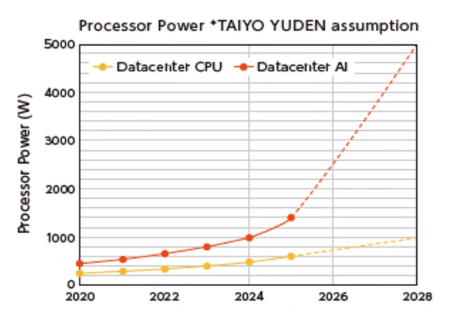
Rapid Growth in Power Consumption
As GPU and AI ASIC performance continues to advance, server power architectures must support significantly higher power delivery requirements.

Reduced Power Distribution Loss
To minimize power distribution losses associated with increasing current levels, it is becoming increasingly important to place voltage regulators (VRs) closer to xPUs.

Limited Board Space
The area surrounding advanced processors is highly constrained, creating demand for components that provide higher capacitance and improved electrical performance (low ESL/ESR) within a compact footprint.

Supporting Next-Generation Power Architectures
Emerging power delivery approaches, including vertical power delivery and Integrated Voltage Regulators (IVRs), are increasing demand for embedded components that utilize board interior space more effectively.
Key Advantages of TAIYO YUDEN MLCC Solutions for AI Servers
Compact High-Capacitance MLCCs
Achieve high capacitance in ultra-compact packages.
Contribute to high-density power designs, including low-voltage output applications in the 0.6 V to 1.2 V range.
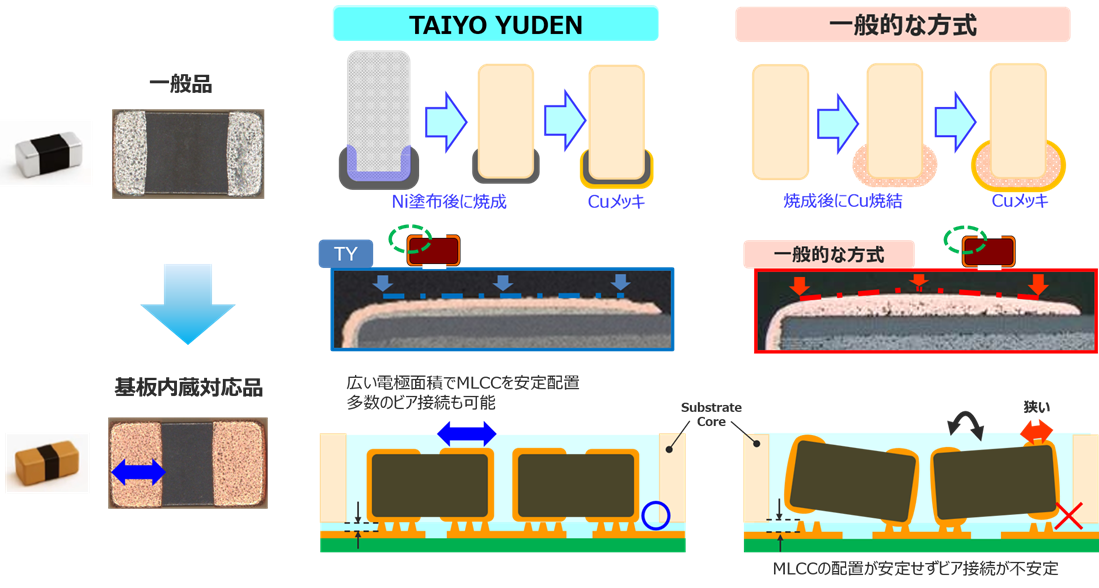
Embedded-Board Compatible MLCCs
Wide, flat electrode structures enable the placement of multiple vias.
Help reduce required board area while minimizing unnecessary resistance components.
Advantages of TAIYO YUDEN Embedded-Board Compatible MLCCs
Advanced MLCC Lineup for AI Servers
●Embedded-Board Compatible Products
(Cu Electrode)
1.0×0.5(mm) 22μF
2.0x1.25(mm) 100μF
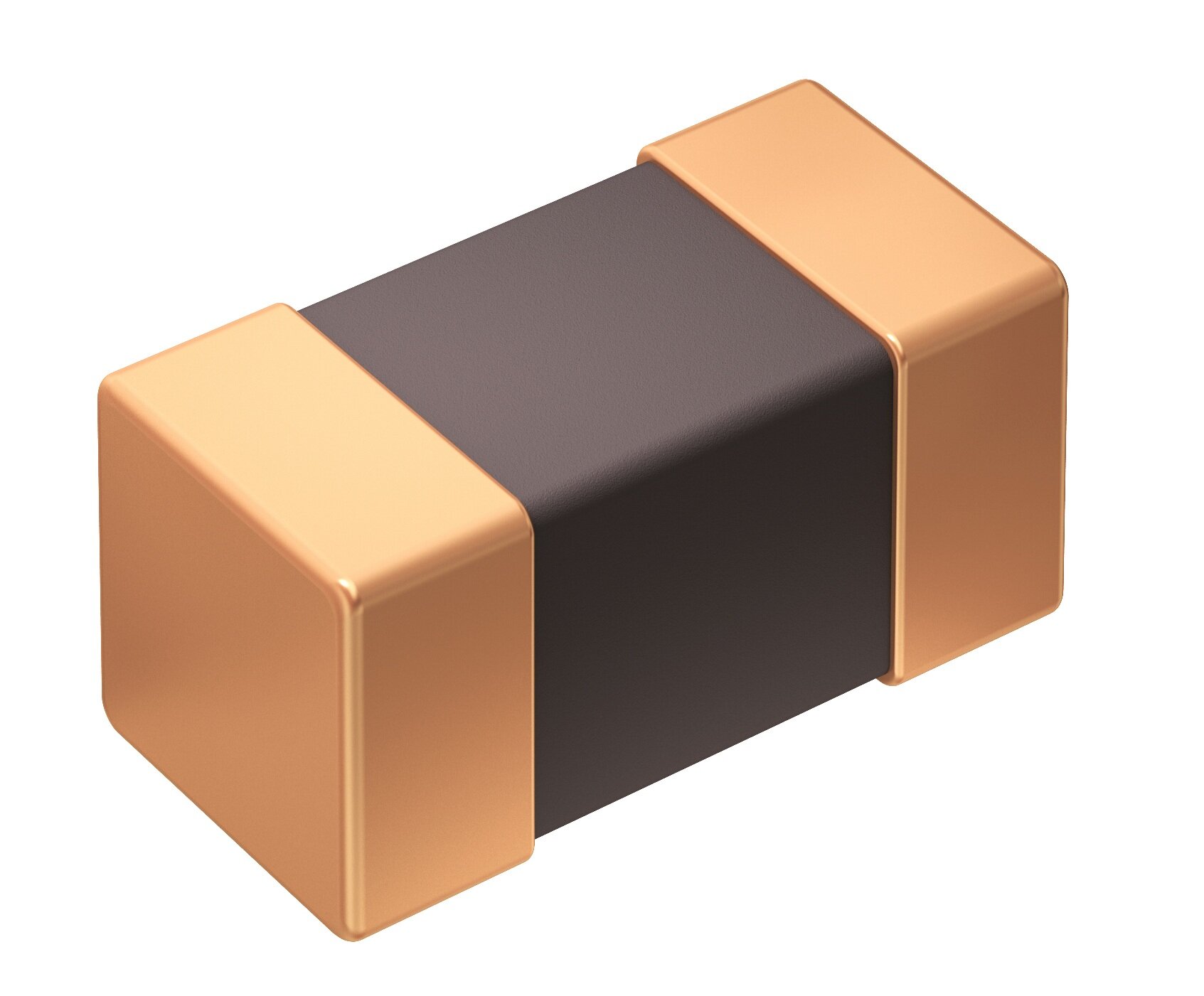
●Advanced High-Capacitance Compact Products
0.6×0.3(mm) 10μF
1.0×0.5(mm) 47μF
1.6×0.8(mm) 100μF
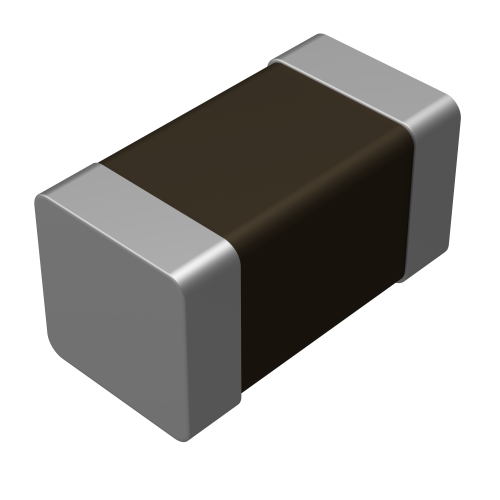
TAIYO YUDEN MLCCs combine compact form factors,
high capacitance, and low-loss performance
to support advanced power architectures for next-generation AI servers.